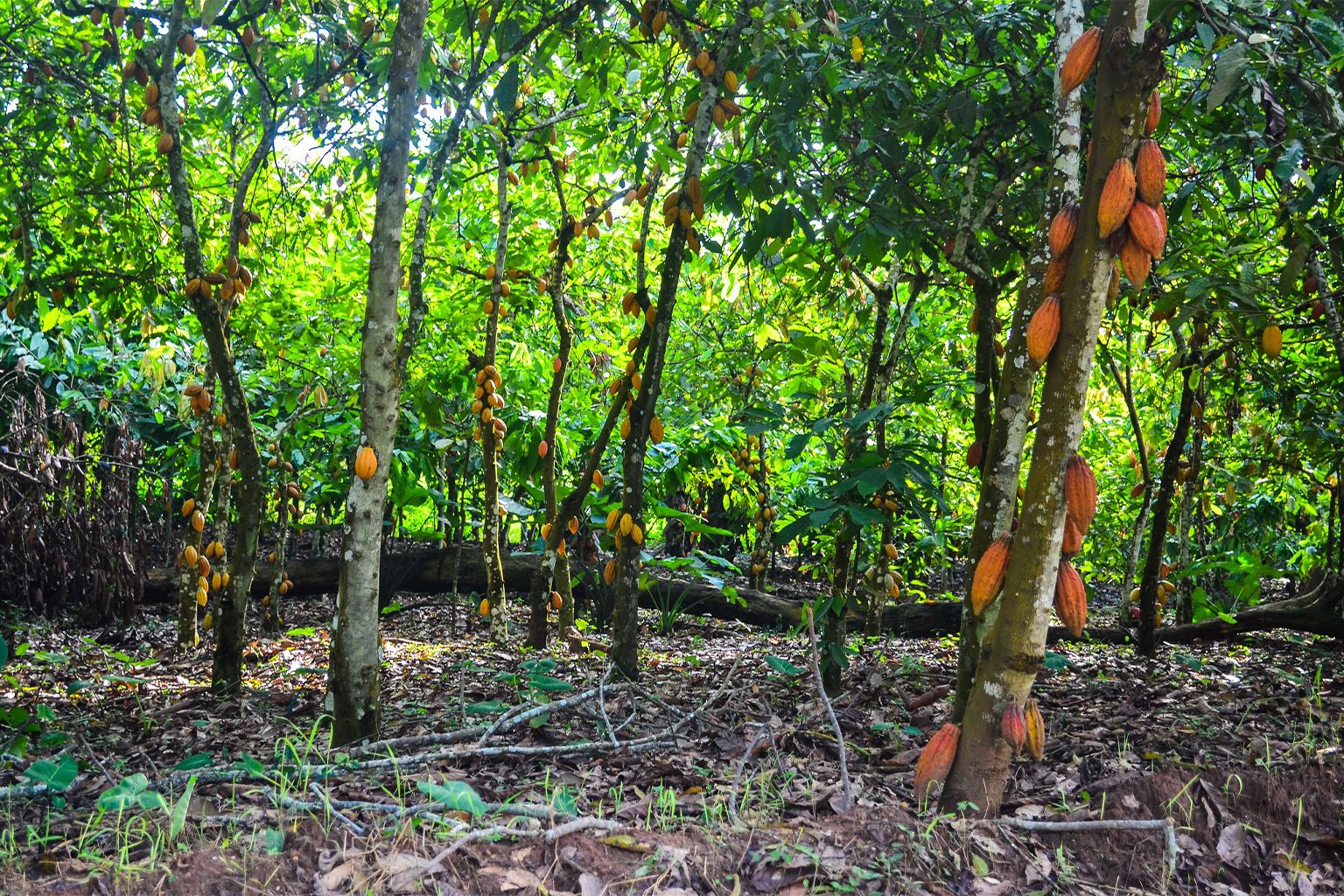
Cacao Plantation Area
Walk through the outdoor space where cacao trees are cultivated in their natural environment. This section highlights the agricultural origins of the product.
Observe the cacao pods growing directly on the tree trunks.
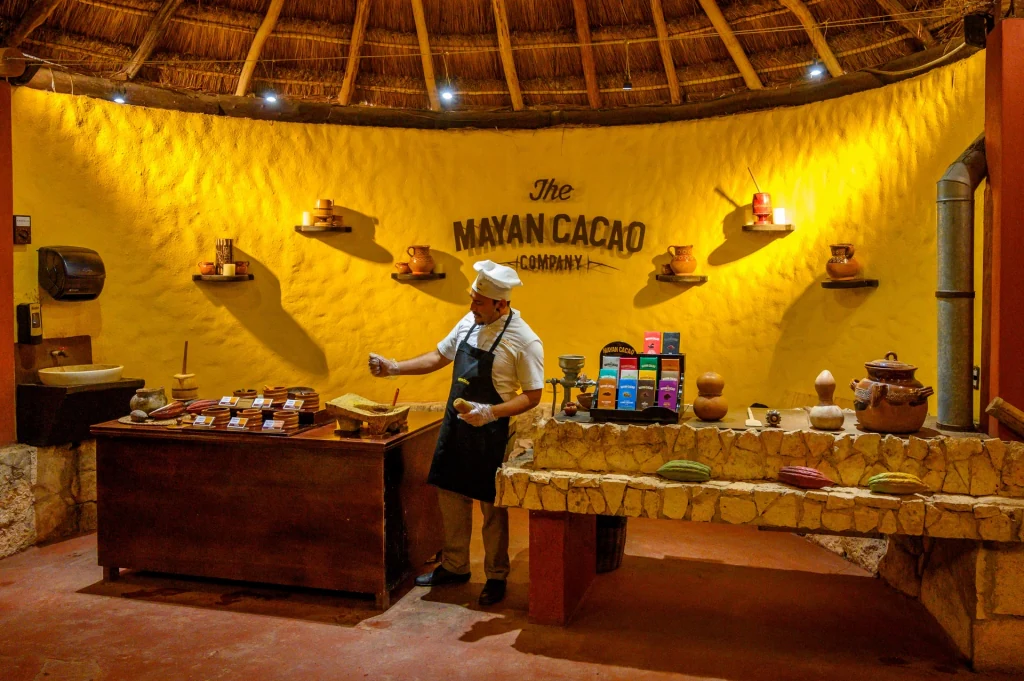
Mayan Cacao Company runs hands-on chocolate-making workshops six days a week on Cozumel's southern hotel zone coast. Visitors roast, grind, and temper their own bars using traditional methods and locally sourced beans. The facility is open Monday through Saturday from 09:00 to 16:00.
Quick answer
Cozumel chocolate making at Mayan Cacao Company involves hands-on bean-to-bar workshops where participants roast cacao beans, grind them on volcanic stone metates, and temper their own chocolate bars. General admission is 15 USD per adult, and the facility operates Monday through Saturday from 09:00 to 16:00. Workshops typically run throughout the day, allowing visitors to arrive anytime within the morning to early afternoon window.
The cacao tree grows within twenty degrees of the equator, and the Yucatán Peninsula has cultivated it for more than three thousand years. Mayan Cacao Company occupies a coastal property fifteen kilometers south of San Miguel, where the demonstration kitchen opens directly onto the Caribbean. Guests work at wooden tables under palapa roofs, following the same fermentation and roasting sequence that pre-Columbian cultures used to produce ceremonial beverages. The bean-to-bar process unfolds in stages. Roasted beans are hand-peeled to separate nibs from shells, then ground on heated volcanic stone metates until they release their natural oils and form a smooth paste. Sugar and spices are folded in by hand, and the mixture is tempered on marble slabs before being poured into molds. Each participant leaves with their own finished bar, wrapped in palm fiber, along with a deeper understanding of why ancient Mayans valued cacao beans as currency. The property also grows several heirloom cacao varieties in its orchard, and guides explain how soil composition and fermentation time affect flavor profiles. Cozumel chocolate making attracts cruise passengers and island residents alike, particularly those interested in the agricultural history of Mesoamerica. The workshop format suits families with older children, though the grinding process requires sustained effort and patience. Morning arrivals benefit from cooler temperatures and smaller group sizes, while afternoon sessions align better with post-dive schedules. The facility is located on the Carretera Costera Sur at kilometer marker 15.5, within the hotel zone but outside the main resort clusters, making it accessible by taxi or rental vehicle. No advance reservation is required for general admission, though private group workshops can be arranged by phone. The single-story layout includes an open-air production area, a retail space stocked with finished bars and cacao tea, and a shaded seating area where visitors sample dark chocolate paired with local honey. Staff members speak English and Spanish, and printed recipe cards allow participants to replicate the tempering technique at home. The experience bridges culinary tourism and living history, offering a tactile counterpoint to the island's reef-centered attractions.
“The bean-to-bar process unfolds in stages, following the same fermentation and roasting sequence that pre-Columbian cultures used to produce ceremonial beverages.”
The Mayan Cacao Company maintains a consistent schedule throughout the week, operating daily from Monday through Saturday. The facility remains closed on Sundays for all visitors.
The Mayan Cacao Company is located at Carretera Costera Sur Km 15.5 within the Zona Hotelera of Cozumel. Visitors typically reach the facility by traveling south along the main coastal highway.
Carretera Costera Sur toward the hotel zone
Carretera Costera Sur Km 15.5
Not recommended due to distance from major cruise ports
If arriving by taxi or rental car, look for the sign marking Km 15.5 on the Carretera Costera Sur. Ample space is available for vehicle drop-offs directly at the site entrance.
The best arrival window for your visit is 09:00–15:00. Arriving during this period helps you avoid mid-day heat while ensuring you have sufficient time to participate in the chocolate making experience before the 16:00 closing.
—
Arriving early provides a quieter environment for your workshop experience.
High heat and humidity
This is often the hottest period, which may impact comfort for those sensitive to sun exposure.
Pleasant temperatures; 24°C–29°C
These months offer a balance of manageable weather and fewer tourists compared to the peak winter season.
Verdict: The optimal time for a visit is Tuesday to Thursday, arriving at 09:00 during the shoulder months of April or October.
The Mayan Cacao Company offers an educational journey through the history and production of chocolate. Visitors engage with traditional methods that bridge ancient Mayan traditions and modern artisanal practices.
Walk through the outdoor space where cacao trees are cultivated in their natural environment. This section highlights the agricultural origins of the product.
Observe the cacao pods growing directly on the tree trunks.
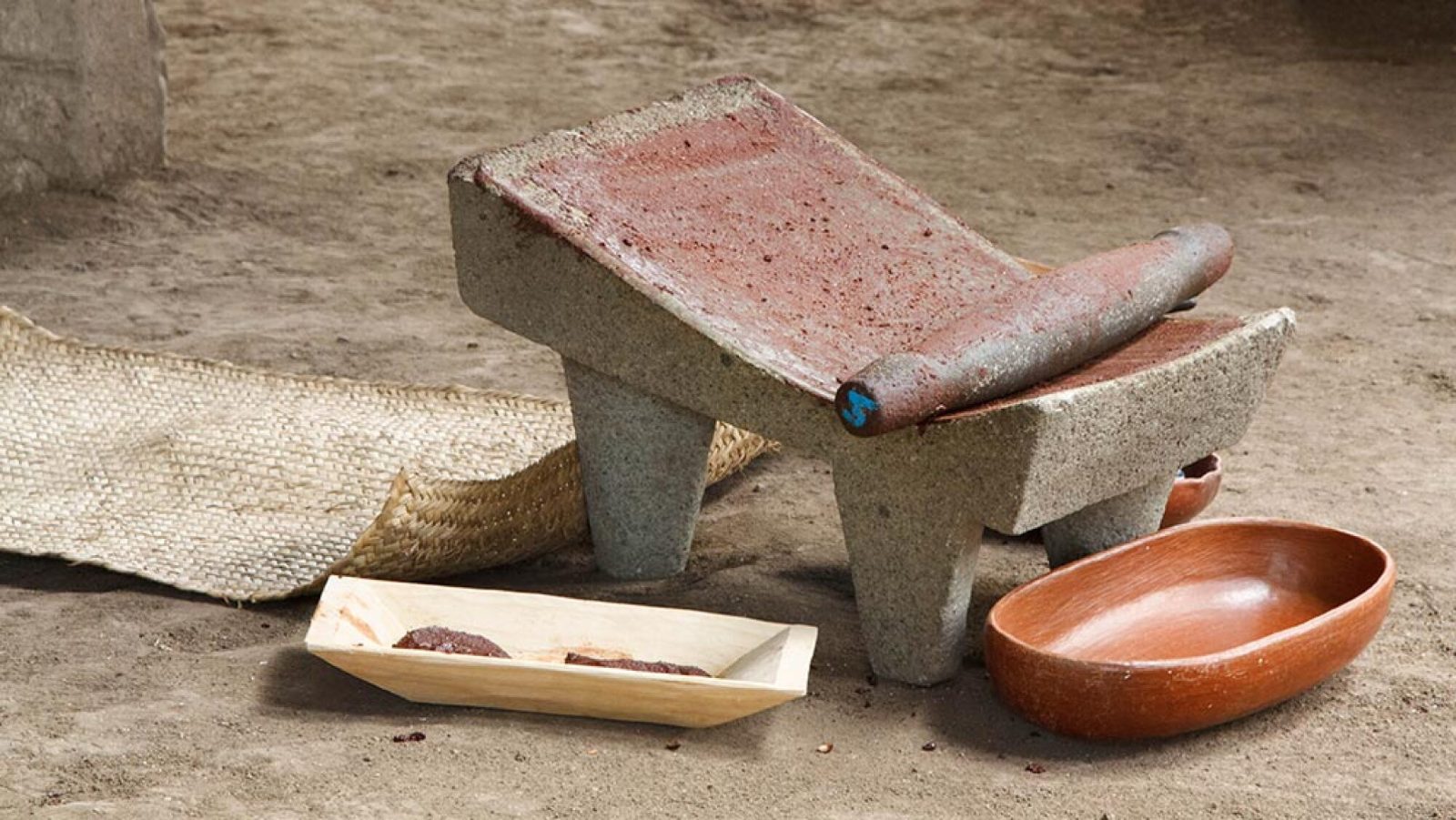
See the traditional stone tools, such as the metate, used by the Maya to grind cacao beans. This display explains the historical evolution of chocolate preparation.
Look for the texture differences between raw beans and processed paste.
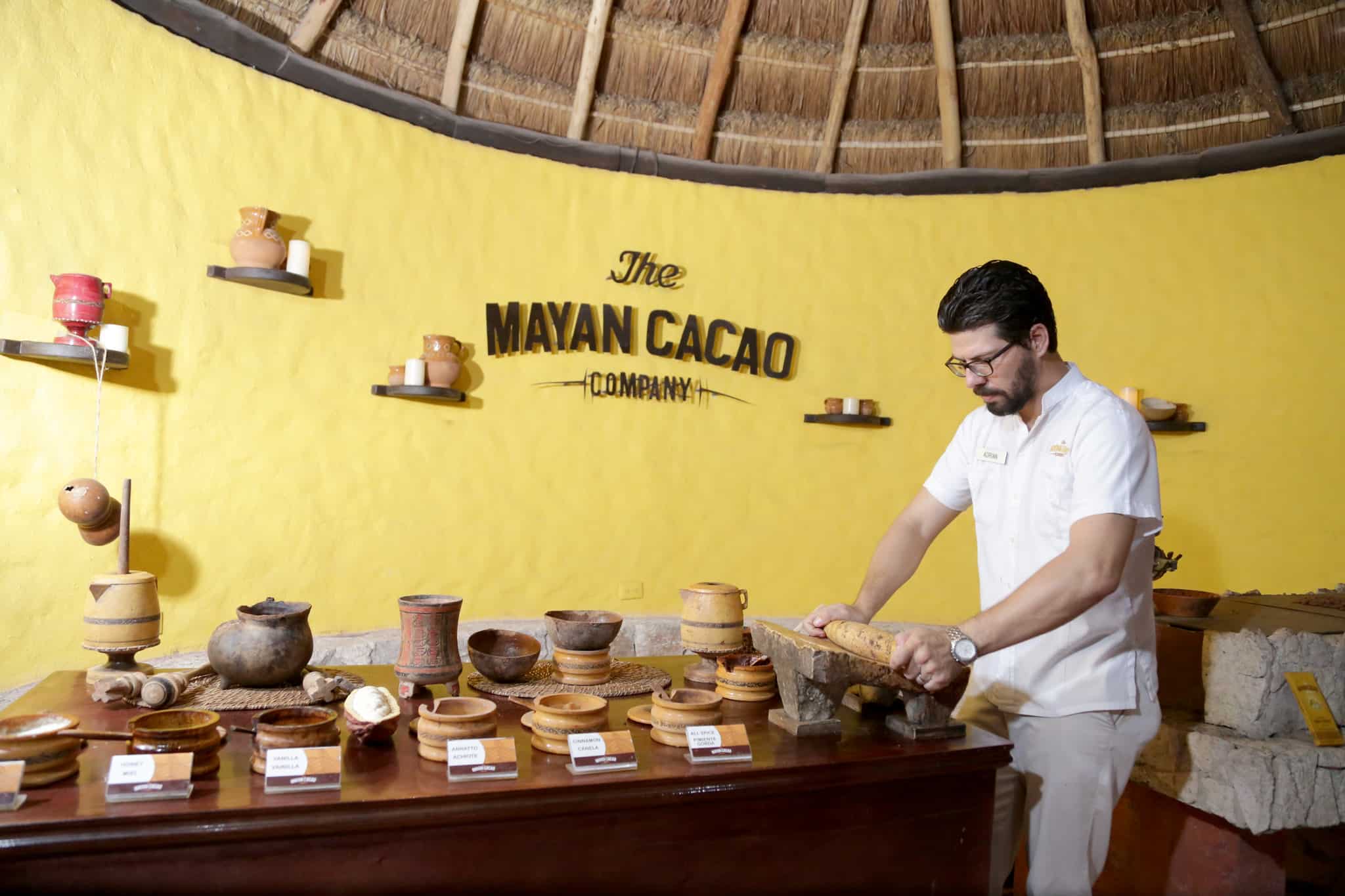
Participate in a demonstration showing the transformation of roasted beans into finished chocolate. Experts explain the blending process that creates distinct flavors.
Focus on the grinding rhythm to understand the labor involved.
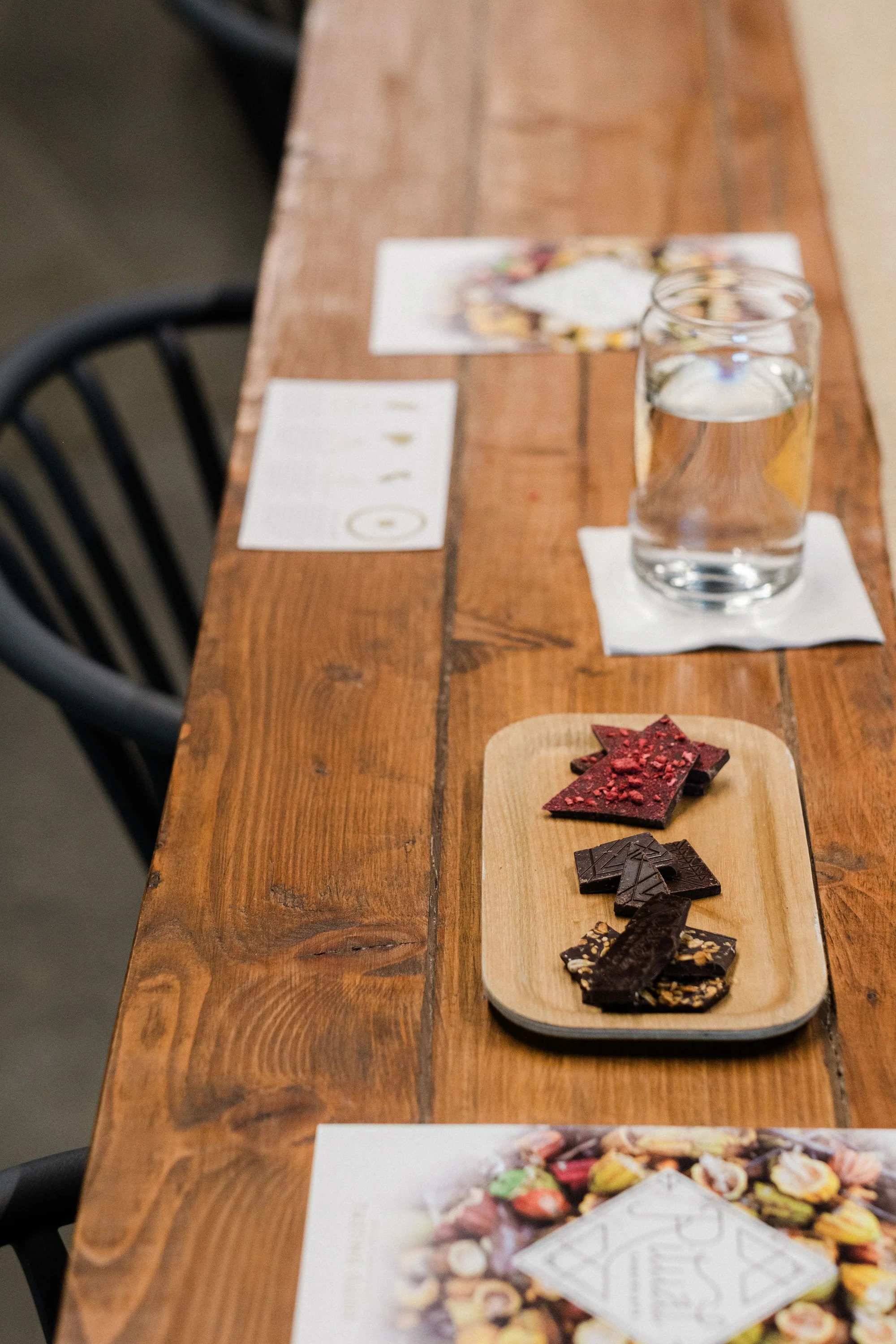
Sample various chocolate products created on-site, ranging from dark cacao to flavored varieties. This area allows guests to experience the final product of the manufacturing process.
Compare the flavor profiles of different cacao percentages.
Maximize your experience at the Mayan Cacao Company by following these practical visitor insights.
The workshops involve standing at workstations to process cacao beans, so flat, closed-toe footwear is recommended.
While the workshop takes place in a sheltered area, apply sunscreen beforehand if you plan to explore the surrounding outdoor premises.
Chocolate making can be warm work; consume water before your session to stay comfortable during the hands-on process.
You will create your own chocolate samples to take with you, so having a small, insulated container helps maintain their shape.
The instructors provide deep context on Mayan traditions; prepare a few questions about the cultivation process to engage more fully.
Utilize the restrooms before your workshop begins to ensure you remain present for the entire demonstration and production session.
Everything you need to know about cozumel chocolate making
Visitors participating in cozumel chocolate making will learn about the history of cacao, traditional grinding techniques, and the production process of chocolate. This interactive experience allows guests to engage with ancient Mayan traditions while crafting their own artisanal samples. Mayan cacao workshops are designed to be family-friendly and educational for visitors of all ages. Children can enjoy learning about the history of the cocoa bean in a hands-on environment. The entrance fee is 15 USD per adult for general admission to the site. This fee provides access to the facilities and the educational experience. The site is open Monday through Saturday from 09:00 to 16:00 and remains closed on Sundays. It is advisable to check availability for your preferred date of cozumel chocolate making to ensure your group can be accommodated. Booking through the official site helps secure your spot for a specific time slot. To avoid the peak mid-day heat and ensure sufficient time to explore before the 16:00 closing, the best arrival window is between 09:00 and 15:00. Arriving early also helps you manage your schedule effectively. The facility is located at Carretera Costera Sur Km 15.5, within the Zona Hotelera of Cozumel. You can reach the venue via taxi or rented vehicle, and the site is easily accessible for those exploring local Cozumel attractions.